
Cook for climate Challenge
Challenge Duration: February 15 - May 15, 2026
Status: Join anytime
Submissions Due: May 15, 2025
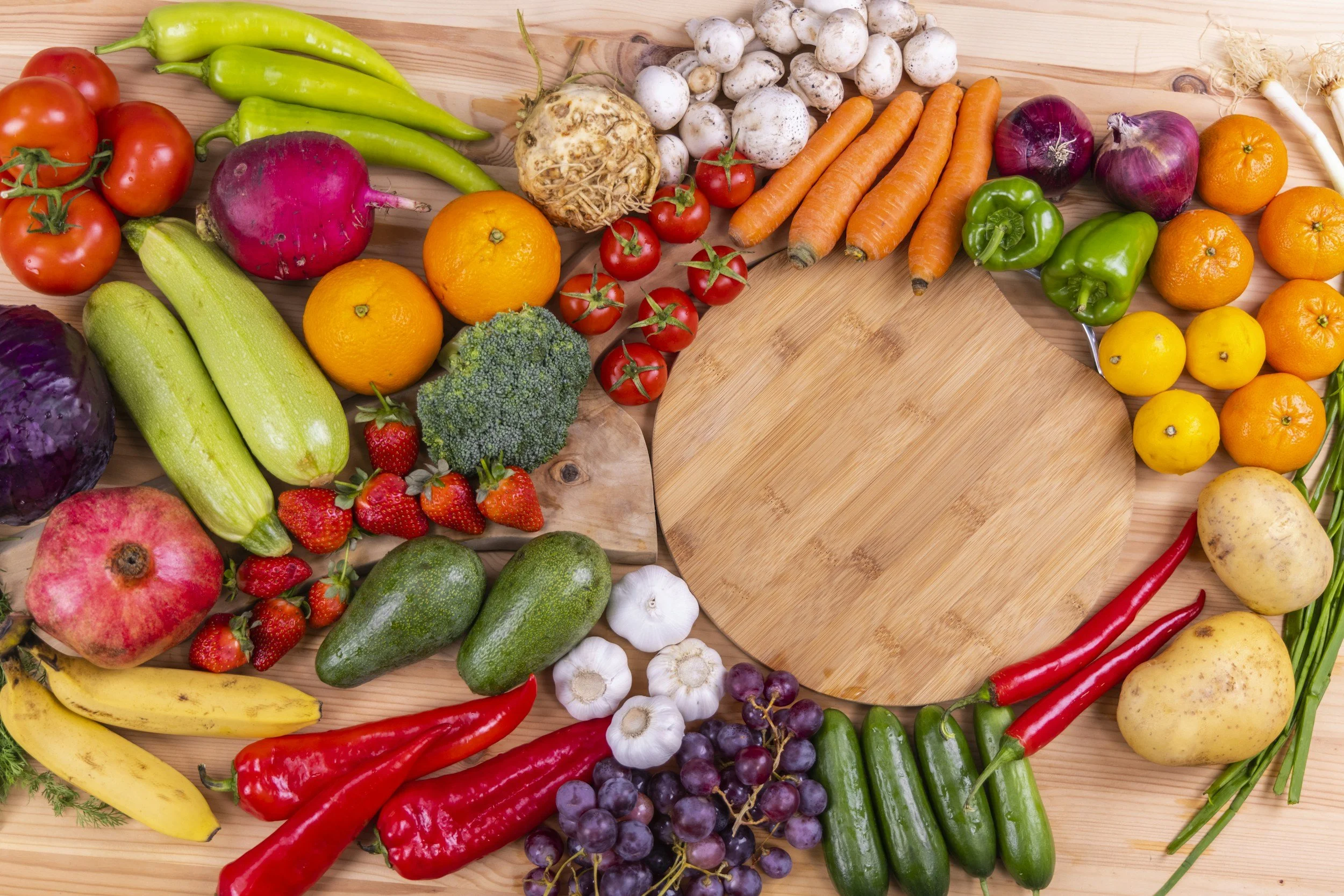
Food is one of the most powerful ways we connect with our planet — and with each other. In the Cook for Climate Challenge, we invite you to explore, cook, and experiment with plant-based ingredients.
Show us what you learn to cook and eat: comforting soups, quick lunches, creative dinners, and irresistible sweet treats. Every recipe you submit becomes part of a growing global cookbook filled with delicious, climate-friendly meals.
Your mission: Share your favorite plant-based recipes from around the world!
*We can send you a certificate of completion for you to print out and can offer you a badge that you contributed in this challenge to share on LinkedIn
In collaboration with the Lentl.ch
Why cook for climate?
Food connects us — to our cultures, our communities, and the planet that provides our ingredients. Every meal reflects a series of choices, from what we cook to where our food comes from and how we enjoy it.
Some foods need more land, water, and energy to produce, while others are naturally lighter. Plant-based ingredients like beans, lentils, grains, fruits, vegetables, and tofu are nourishing, versatile, and part of cuisines all around the world.
Cooking this way isn’t about being perfect — it’s about learning, experimenting, and having fun. Trying new ingredients, swapping ideas, and sharing recipes helps us discover how small choices in the kitchen can add up to something positive.
By joining the Cook for Climate Challenge, you’re sharing food you love, learning from others, and helping build a global collection of delicious plant-based meals — good for people, and a little kinder to the world we all share.
Benefits & Impact —
Benefits & Impact —
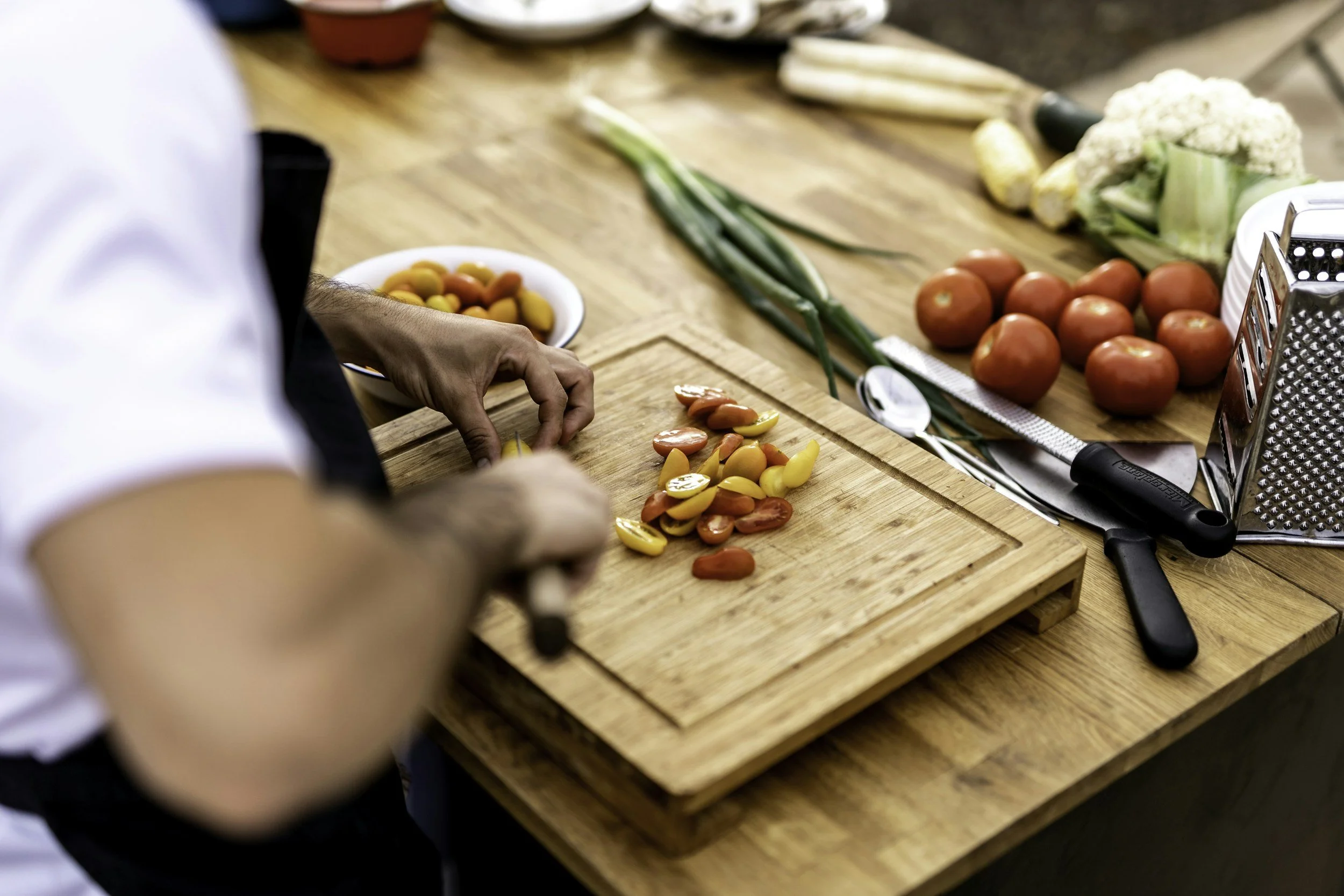
Better for the Planet - plant-based foods generally require less land, water, and energy to produce, and they create fewer greenhouse gas emissions compared with most animal products.
Packed with Nutrients - fruits, vegetables, legumes, grains, nuts, and seeds are full of vitamins, minerals, fiber, and antioxidants that support overall health.
Great Source of Protein & Iron - beans, lentils, tofu, tempeh, quinoa, and other plant foods provide protein and iron in ways that are nutritious and environmentally friendly.
Supports Heart Health - plant-based diets are linked to lower cholesterol, blood pressure, and reduced risk of heart disease.
Helps Maintain Healthy Weight - plant-based meals are often lower in calories and saturated fat, making it easier to maintain a healthy weight.
Encourages Culinary Creativity - exploring plant-based foods opens the door to new ingredients, flavors, and recipes from around the world.
Reduces Food Waste & Resource Use - plants are more efficient to grow and use fewer resources per meal, helping make our food system more sustainable.
Your Cooking Mission
-
Step 1: Track & Swap Your Meals
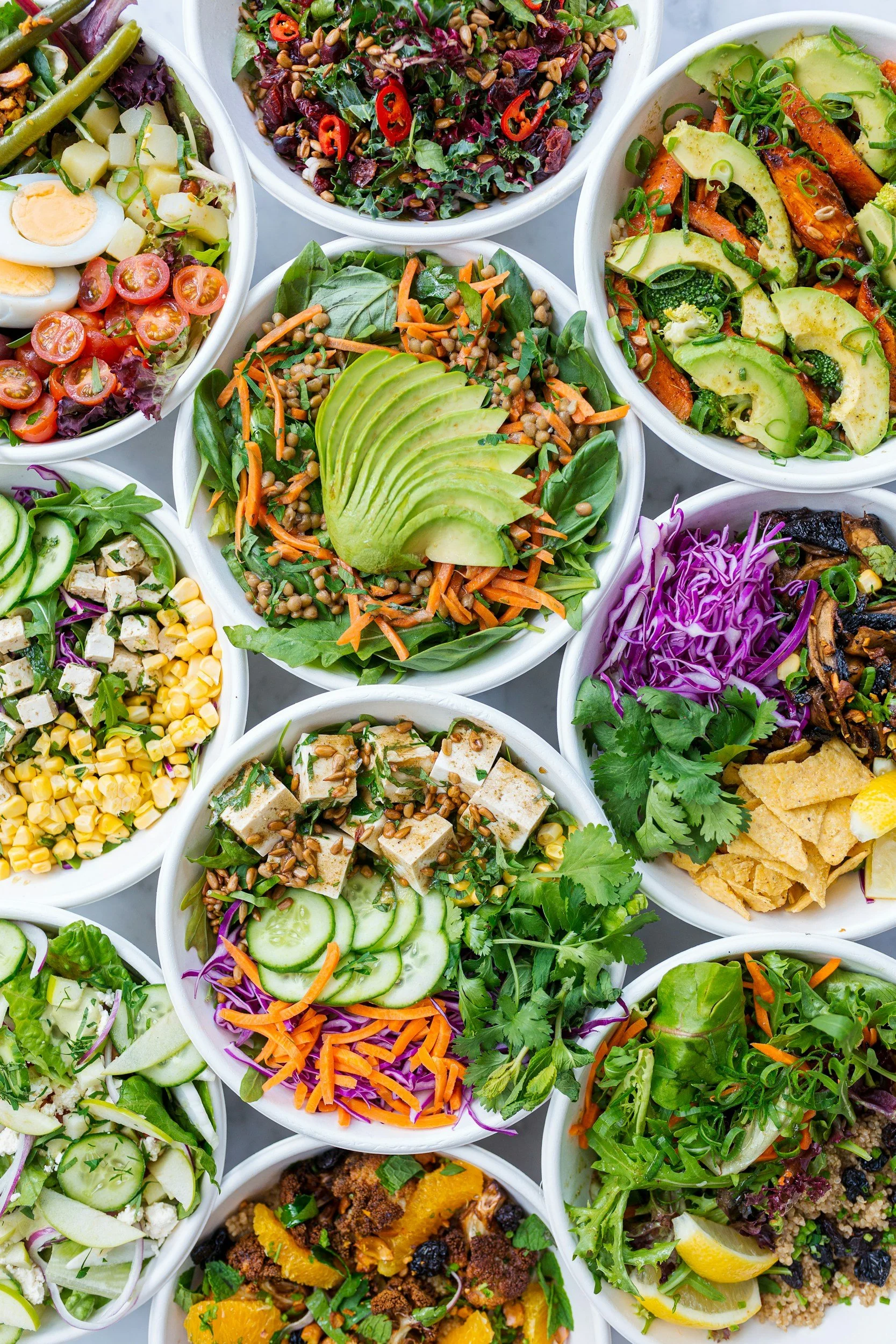
Keep a log of what you eat for the week.
Swap 3–5 animal-based meals for plant-based options.
Try to include a variety of plant proteins like beans, lentils, tofu, or nuts.a
-

Step 2: Experiment with New Recipes
Each week, cook 2 new plant-based recipes.
Explore cuisines from around the world — soups, snacks, lunches, or dinners.
Bonus points if you use at least one locally sourced ingredient.
-
Step 3: SHARE THE FLAVOR
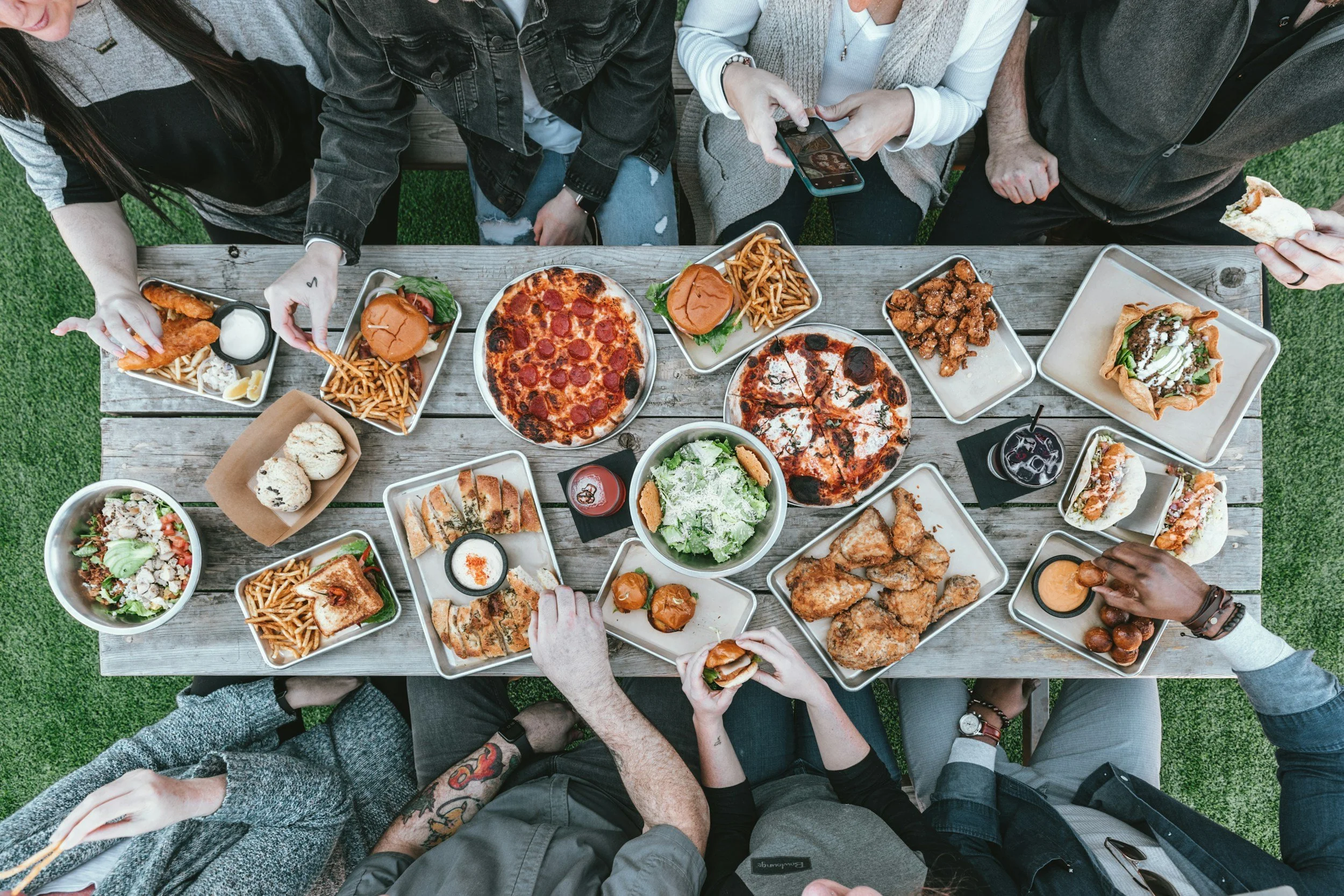
Host a taste test for friends, family, or classmates.
Talk about what you cooked, why you chose it, and what you learned.
Take photos or videos to show your creations.
-
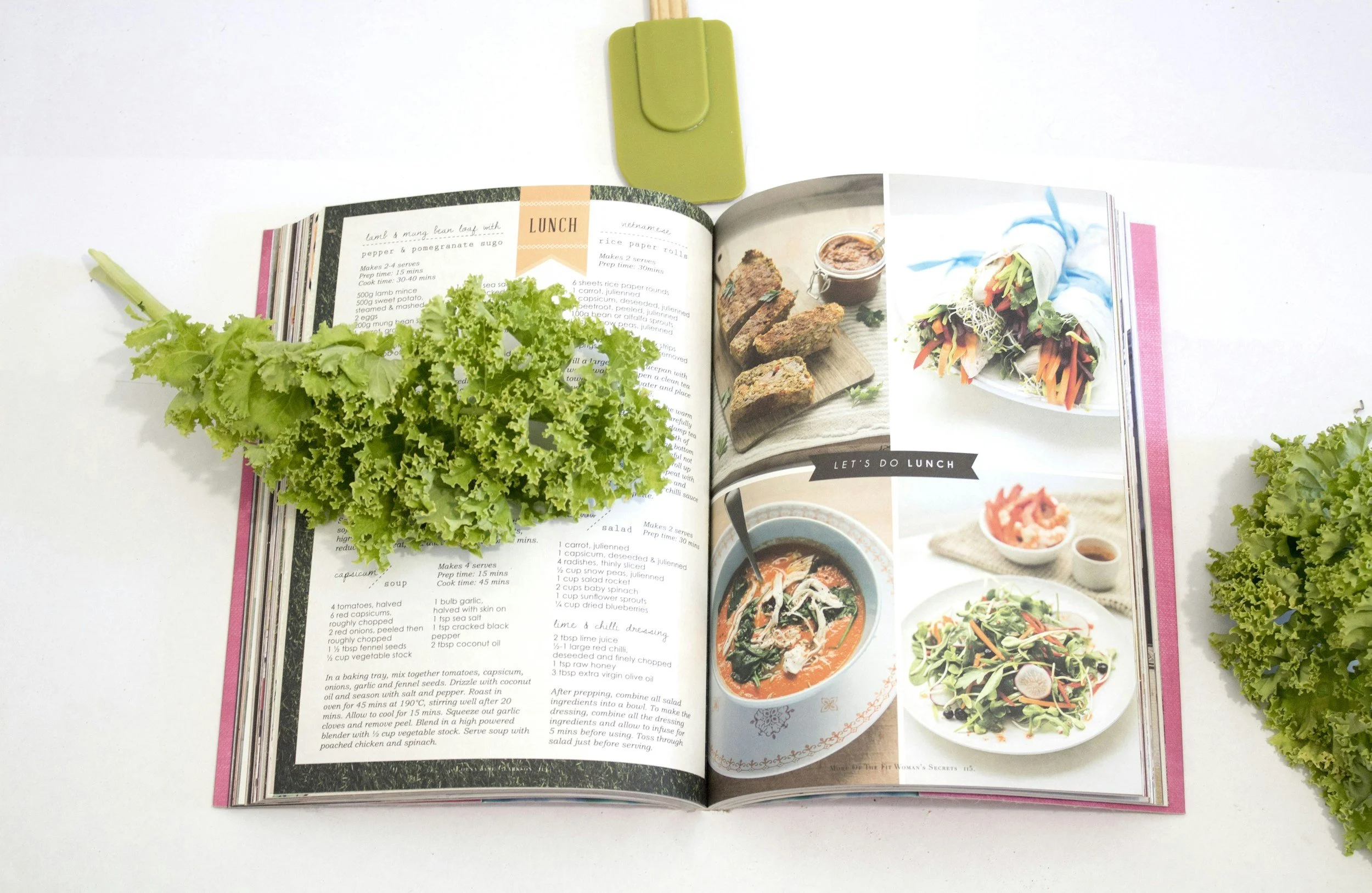
Step 4: CREATE AND SHARE
Submit your favorite recipe to the challenge team.
Reflect on your experience:
How did it affect your health, budget, or the planet?
What was easy to swap, and what was challenging?
If everyone at your school ate like you, what difference could it make?
Submit your project.
Taste the Planet
Your tasks:
Track & Swap: Log your meals each week. Swap at least 3–5 animal-based meals for plant-based ones.
Experiment: Try 2 new plant-based recipes each week — explore different cuisines and plant proteins.
Share the Flavor: Host a taste test with family, friends, or classmates.
Create & Reflect: Submit your favorite recipe, explain why you chose it, and reflect on how your choices affected your health, budget, and the planet.
Bonus Challenge: If your recipe uses at least one locally sourced ingredient, tell us which it is!
Click the button below and fill out the form to complete the process.
Deeper Learning
-
There’s so much more to food than just what’s on your plate. By looking closer, you can uncover how our food systems affect the planet and learn strategies for feeding a growing population sustainably. Here are some ways to dig deeper:
Learn to Eat Local
Investigate where your food comes from. How far does it travel?
Research how transporting food contributes to greenhouse gas emissions.
Explore local supply chains — farmers’ markets, CSAs, community gardens — and see how buying closer to home can cut emissions and support your community.
Understand Food Waste
Globally, around one-third of food is wasted.
Track how much food gets thrown away at home or school.
Learn strategies to reduce waste: meal planning, using leftovers creatively, composting, or freezing extras.
Explore Culture & Habits
Why do people eat certain foods in your area? How does culture, tradition, or climate influence diets?
Consider if these habits are sustainable for the planet or if there are planet-friendly alternatives.
Investigate how different communities balance nutrition, culture, and the environment.
Extra Challenge: Combine your plant-based recipes with what you learn here. Could you create a dish that’s plant-based, locally sourced, low-waste, and culturally inspired?
-
5.4.5 Food system transformation (Regenerative Economics)
-
Fork Ranger Compass