
Materials Matter Challenge
Challenge Duration: February 15 - May 15, 2026
Status: Join anytime
Submissions Due: May 15, 2025
In collaboration with Beach Relief
Your Mission: Design for the Planet 🌎
Step into the role of a designer who can change how things are made. Your goal: rethink everyday products and create sustainable solutions that help people and the planet. Sketch, prototype, or suggest your ideas—your designs could even reach the companies that make them or become a real, planet-friendly product!
*We can send you a certificate of completion for you to print out and can offer you a badge that you contributed in this challenge to share on LinkedIn
Why rethink materials?
Every object we use—from the packaging that holds our food to the buildings we live in—is made from materials that have a real impact on the planet. How those materials are sourced, produced, used, and disposed of affects ecosystems, communities, and our climate.
Here’s the striking part: around 80% of a product’s environmental impact is determined before it’s even made. Choices about what materials to use, how to make them, and whether they can be repaired, reused, or recycled decide whether something becomes waste or part of a circular, sustainable system. That means design is one of the most powerful ways to reduce waste and protect the planet.
Packaging is everywhere: From markets to shipping, packaging contributes heavily to waste worldwide. Redesigning it can drastically cut pollution and keep materials in use longer.
Buildings and infrastructure matter: Materials like cement, steel, and glass drive emissions and environmental impacts on a global scale. Smarter design choices here can reduce carbon and resource use.
By understanding materials and rethinking how things are made, you have the power to create products that are better for people and the planet—before they even hit the shelves.
Benefits & Impact -
Benefits & Impact -
Waste issues. Single-use packaging and poor design choices mean products quickly become waste, filling landfills and polluting ecosystems.
Climate change impact. High-impact materials like steel and cement are locked into designs that will emit for decades if we don’t innovate.
Resource depletion & pollution. Extracting raw materials often causes habitat destruction, pollution, and biodiversity loss.
Opportunities. Circular design — rethinking materials and systems — opens pathways for innovation, jobs, and smarter economies.
Your Materials Mission
-
Step 1: Start noticing common materials
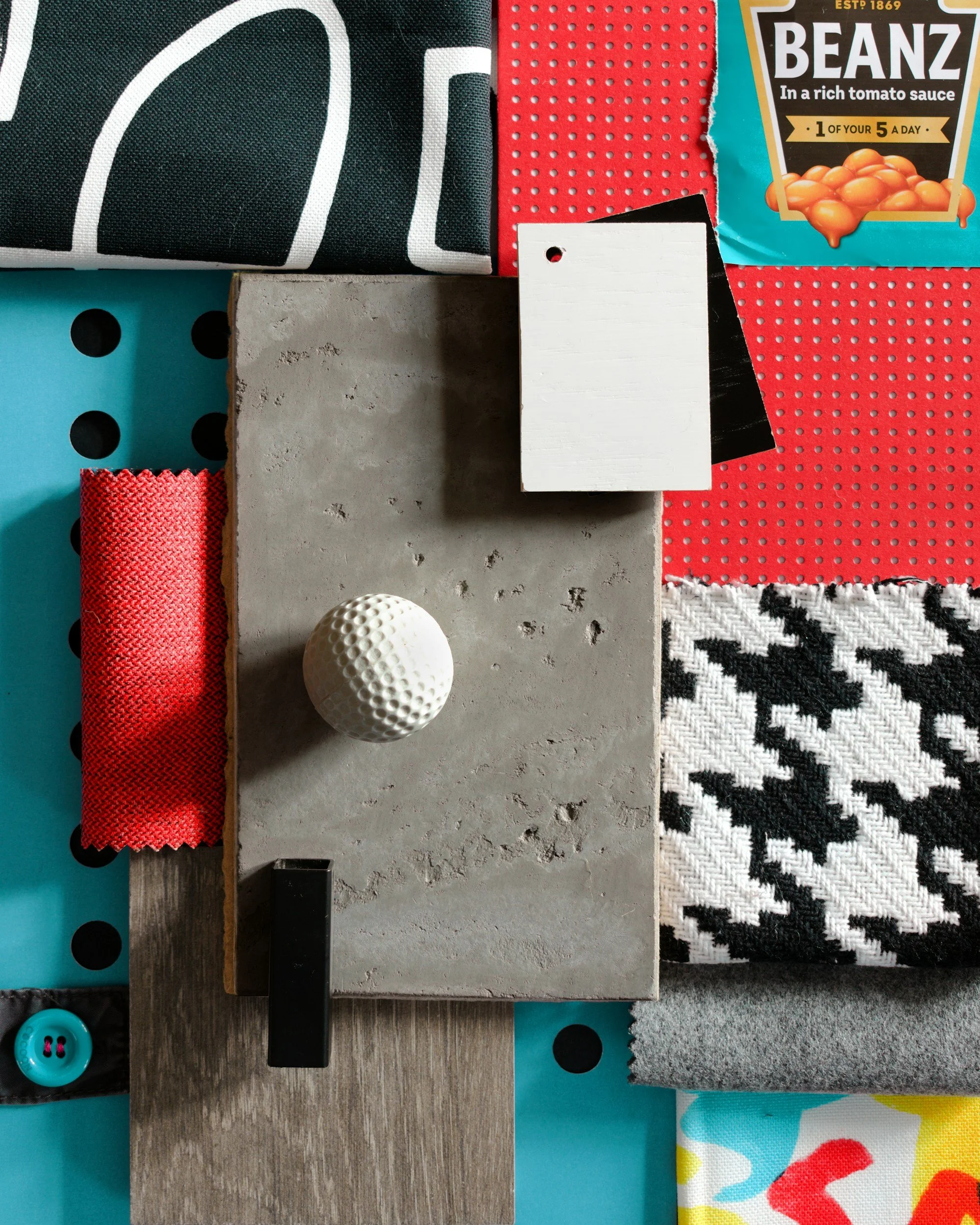
Look closely at everyday items — packaging, building materials, or household objects.
Ask yourself:
- What is it made of, and how much energy, water, or emissions go into producing it?
- What happens at the end of its life — does it biodegrade, can it be reused, or does it become waste?
- Are there hidden opportunities to make it lighter, stronger, or longer-lasting?Tip: Compare conventional materials with alternatives — for example, plastic vs. bioplastics, concrete vs. hempcrete, or steel vs. timber.
-
Step 2: Seek Inspiration from nature
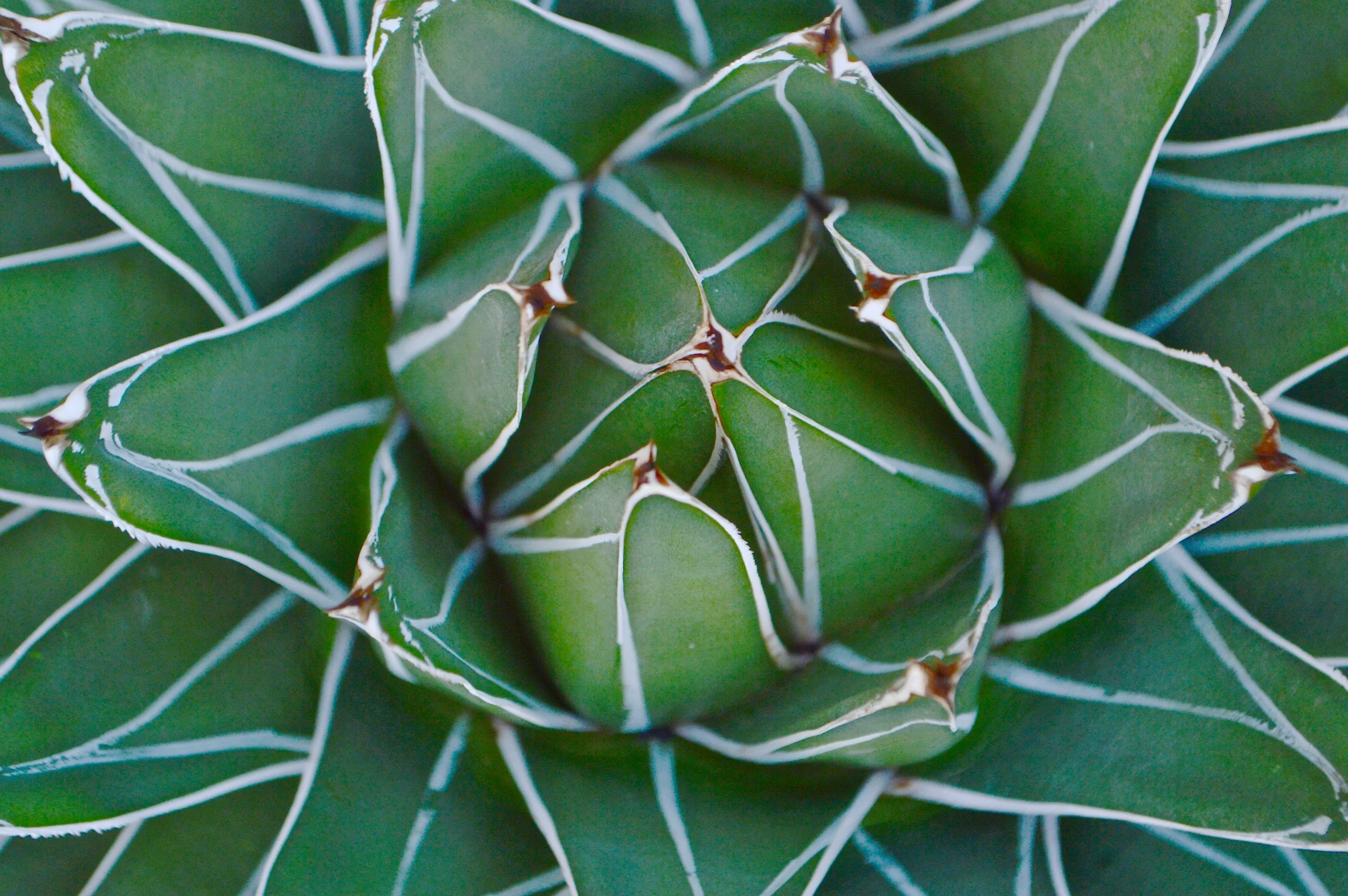
Nature is full of brilliant design solutions! Look at how plants, fungi, shells, or leaves solve challenges:
- Could a structure mimic the strength of bamboo or the flexibility of mycelium?
- Could packaging be inspired by banana leaves or seaweed wraps?
- Are there natural systems that could help materials regenerate or break down safely?
Tip: Biomimicry can spark ideas for materials, shapes, or processes that are efficient, resilient, and eco-friendly.
-
Step 3: Investigate Alternatives
Explore innovative materials that could replace or improve what’s commonly used:
Plants & fungi: Bamboo, hemp, mycelium, seaweed, banana leaves
Recycled materials: Glass, aluminum, reclaimed timber
Regenerative materials: Bio-based plastics, natural fibers, or modular componentsThink about energy use, water consumption, emissions, and what happens at the end of life. Could your alternative reduce waste, lower emissions, or add value after use?
-
Step 4: Ask Guiding Questions
Before designing, challenge yourself:
- Which materials cause the most harm to the environment?
- Could this product or package be designed differently to last longer or create less waste?
- How could nature inspire a smarter, more resilient design?
- Can materials be reused, repaired, or recycled instead of thrown away?
- What examples of circular or nature-inspired design already exist — and how could you build on them?
-
Step 5: Design Your Magic
Now it’s your turn to create a new design, material, or process that makes a real difference. Think creatively:
- Could it last longer, perform better, or break down safely?
- Could it mimic nature or use innovative materials like seaweed, bamboo, or mycelium?
- Could your design reduce waste, energy use, or emissions?
Submit your project.
Submit your prototype and show us the magic you’ve made. By taking on this challenge, you step into the role of an innovator and problem-solver — proving that rethinking design is one of the most powerful ways to act for the planet.
Submit a video and take us through your design OR
Submit photos and a journal detailing your creation
Click the button below and fill out the form to complete the process.
Deeper Learning
-
What if nothing we made ever went to waste? Circular design asks us to think in loops, not lines — designing materials and products that can be reused, recycled, or returned safely to nature. These questions will help you explore how humans, materials, and the planet are connected and imagine a future where what we make works for everyone.
1. Systems and Interconnections
How do the materials we use connect to global environmental, economic, and social systems?
What are the long-term consequences if products continue to follow a “take-make-waste” model?
How does circular design help balance human needs with ecosystem health?
2. Resource Flow and Regeneration
How do natural systems manage resources without creating waste? How can humans learn from that?
What does it mean for a material to be truly renewable, reusable, or regenerative?
How could industries shift from using finite resources to designing systems that “loop” materials indefinitely?
3. Innovation and Societal Impact
How can circular design influence the way society consumes, produces, and disposes of goods?
What opportunities exist for businesses, governments, or communities to adopt circular thinking at scale?
How might circular design shape the future of cities, technology, or energy systems?
4. Ethics, Equity, and Responsibility
Who benefits and who is harmed by current linear production systems?
How does circular design intersect with global issues like climate change, labor equity, or access to resources?
What responsibilities do designers, engineers, and policymakers have in creating sustainable systems?
5. Long-Term Thinking
How might products, industries, and societies look if circular principles were applied everywhere?
What kinds of innovations or behaviors will be necessary to support a circular economy on a global scale?
How does thinking in loops (rather than lines) change our assumptions about growth, consumption, and progress?
-
Regenerative Economics Textbook
1.4.2 Circular Design
1.2.4 Matter in the Economy
3.4. 2 Circular Business Models
Videos
Explaining the Circular Economy and How Society Can Re-think Progress | Animated Video Essay by the Ellen MacArthur Foundation
Ecovative: Growing Sustainable Products From Mushroom Mycelium To Save The Planet
This zero-waste packaging is made from seaweed | Meet the Designers Eliminating Waste | Episode 1
-
Biomimicry for Educators: https://asknature.org/educators/