
Rewild your World Challenge
Challenge Duration: February 15 - May 15, 2026
Status: Join anytime
Submissions Due: May 15, 2025
In collaboration with the Global Rewilding Alliance
Turn your backyard, school, or local space into a thriving wildlife haven. Plant flowers, build habitats, and watch nature flourish. Track your progress, share your story, and join a global community proving that every small action counts—together, we can make a real difference for nature!
*We can send you a certificate of completion for you to print out and can offer you a badge that you contributed in this challenge to share on LinkedIn
Why Rewilding?
Rewilding means supporting nature recovery. It’s about partnering with nature for plants, trees, and wildlife to return, letting rivers, soils, and entire landscapes heal themselves. Rewilding is about restoring the web of life from cities to the wildest places on the planet. Every small action — from creating wildlife ponds, restoring wildflower patches, to celebrating our local wildlife — is a part of this hopeful, global movement. Rewilding is a practical response to climate change, supporting biodiversity, and securing a resilient, thriving future for all of us.
Benefits & Impact —
Benefits & Impact —
Supercharges climate mitigation – healthy ecosystems with all their wild animals draw down vast amounts of carbon like giant natural sponges.
Brings back biodiverse wildlife – from small to big, returning wildlife means more birdsong, buzzing bees, and butterflies, as well as iconic creatures from hedgehogs to lynx..
Cleans up water & air – healthy ecosystems act like filters, giving us fresher air and cleaner rivers and oceans. Did you know a single oyster filters nearly 200 litres every day?!
Protects us from disasters – wild forests, grasslands and wetlands prevent flooding and drought, reduce wildfires, and reduce erosion.
Good for our health – spending time in wilder, greener places lowers stress and boosts happiness.
Helps communities – rewilding creates jobs and supports livelihoods of all sorts - in eco-tourism, science, outdoor learning, and more.
Fills us with wonder – this inspiring partnership for nature’s return is good for the soul - and we can all have a hand in it.
Your Rewilding Mission
-
Step 1: Put On Your Rewilding Glasses
There are opportunities to support nature recovery everywhere - just waiting to be discovered. Big or small, every little action helps. Some ideas:
- Simply leave an area un-mown to let nature grow freely.
- Spread native wildflower seed: transform a patch of grass into a wildflower corner.
- Plant pollinator-friendly flowers or native fruit trees (local wildlife will thank you).
- Build simple wildlife habitats (like bug hotels, bird boxes, or log piles).
- Watch life flourish by building a local wildlife pond: all wild plants and animals need water! This is perhaps the most transformational act you can do in a small area. -

Step 2: Make a Plan & Take Action
Decide what you’ll do alone or as a class, set some small goals, and then get started. Think about who you are doing this for: a friendly local robin, the glow worm, skunk or toucan. They will keep you motivated!
-
Step 3: Track Your Journey
- Take before and after photos of your project or create a video journal.
- Note what changes you see: more insects, new plants, animal tracks, etc.
- Share your story so others can be inspired to rewild too! -
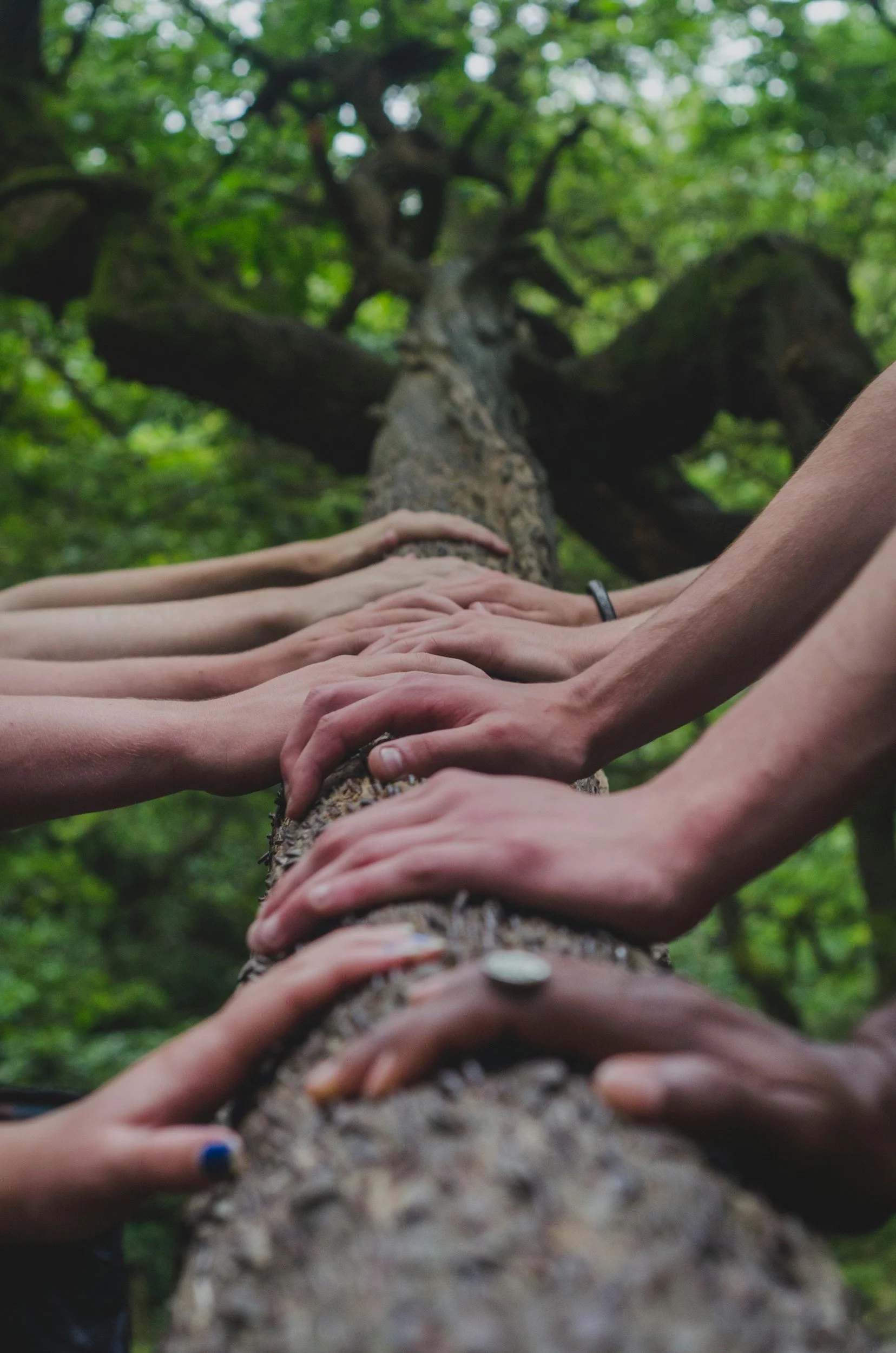
Step 4: Find Your Friends
Time to connect and scale your effort! Look around your community, friends or school and ask:
- Are there other people who want to join me?
- Are there local parks, reserves or councils already creating rewilding projects?
- Are there any groups (garden clubs, wildlife charities, eco-volunteers) helping nature nearby?
We are so much stronger - and have more fun - together!
Tip: Try searching “rewilding + your town name,” check your council’s website, or even ask a local ranger, teacher, or community group
Submit your project.
Once you complete the challenge you can:
Submit a video journal
Send us before and after photos
Send us documentation of your experience
Click the button below and fill out the form to complete the process.
Deeper Learning
-
Rewilding isn’t just about planting flowers or building habitats—it’s part of a global effort to restore ecosystems, support biodiversity, and create healthier communities. By exploring these big-picture questions, you can see how local actions connect to global challenges, discover how rewilding can benefit people and economies, and imagine creative solutions for a more sustainable future. Digging deeper helps you understand the full impact of rewilding—and how you can be part of the change.
Ecosystems & Planetary BoundariesHow does rewilding help restore balance to ecosystems and support biodiversity?
Which planetary boundaries (e.g., climate change, land use, biodiversity loss, freshwater use) does rewilding influence?
How might small local actions connect to global environmental change?
Communities & Societies
How can rewilding benefit local communities (jobs, health, wellbeing, culture)?
How could schools, parks, or neighborhoods work together to expand rewilding efforts?
What social challenges might affect rewilding projects, and how could they be addressed?
Economics & Sustainable Development
How can rewilding create opportunities in eco-tourism, conservation jobs, or sustainable food systems?
What costs and benefits do rewilding projects bring to communities and governments?
How can businesses and policies support or hinder rewilding efforts?
Global Perspective & Collaboration
How do rewilding projects in different countries connect to a global movement?
What can students learn from other communities’ approaches to rewilding?
How does working together amplify the impact of individual actions?
Innovation & Future Thinking
What new solutions or technologies could support rewilding at larger scales?
How could young people contribute to new projects or policy decisions?
How might rewilding inspire creative solutions to other environmental challenges?
-
Regenerative Economics Textbook:
World Economic Forum Article:
Rewilding Videos:
-
Contribute to biodiversity science through iNaturalist
Take a Rewilding course wtih Rewilding Europe
Get inspiration for creating a Pollinator Plan for your school
Use the Merlin App to identify birds in your region